
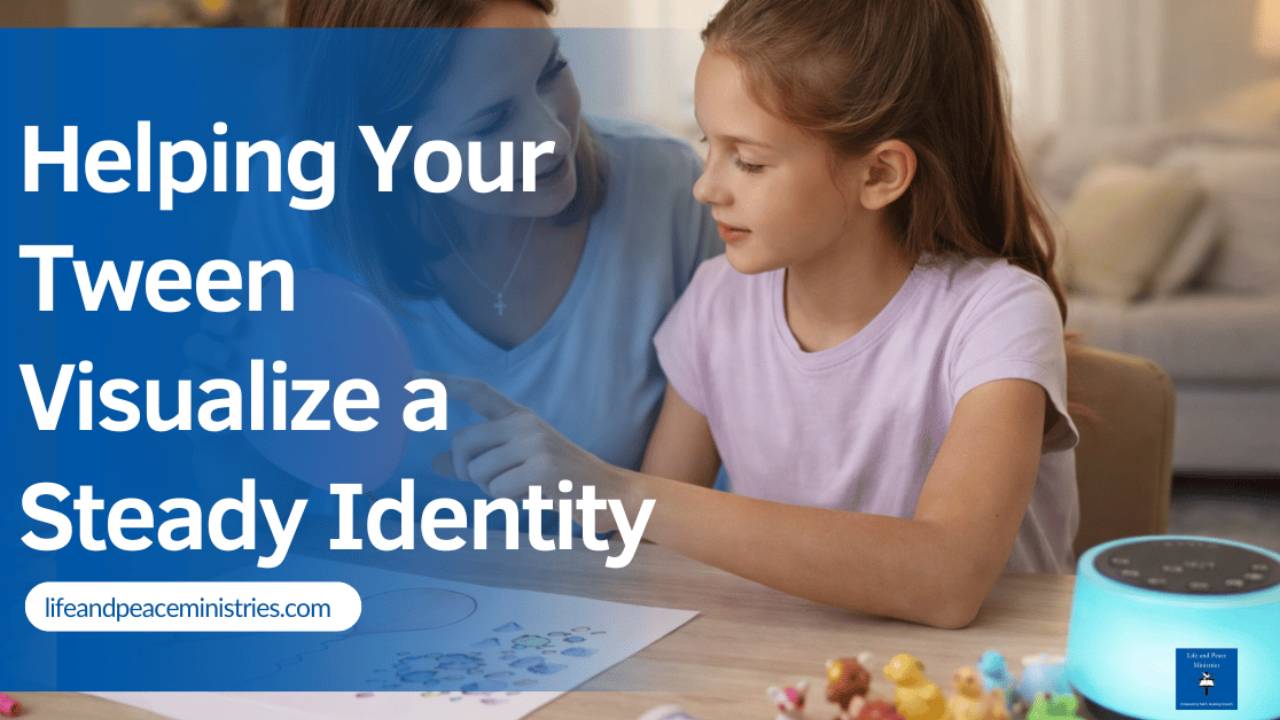
Helping Your Tween Visualize a Steady Identity
Why a Faith-Filled Home Still Needs Visual Calm
When your tween loves God but feels unsteady inside
You can be a faithful, Bible-loving mom and still watch your middle schooler struggle to stay calm.
Not because they don’t believe.
Not because you haven’t taught them truth.
But because their mind hasn’t learned how to settle yet.
Middle schoolers live in a body that reacts faster than their words.
Their thoughts fill up.
Their emotions spill over.
And when they can’t see what’s happening inside, they assume something is wrong with who they are.
This is where God’s Word—paired with simple, visual helps—begins to steady identity from the inside out.
Using the Balloon Picture to Show When the Mind Gets Too Full
Why seeing “overfilled” helps your tween recognize overwhelm without shame
Begin with something your child already understands: a balloon.
Hold one in your hand and say:
“Let’s pretend this balloon is your mind.”
As you gently add air, talk about thoughts, pressure, expectations, and worries piling up.
Then pause.
Ask:
-
“What happens if we keep filling it?”
-
“What happens when it pops?”
When the balloon bursts, there’s no order—just pieces everywhere.
Explain calmly:
“That’s what it feels like when your mind gets too full.
You’re not bad. You’re overfilled.”
This visual gives your tween language for overwhelm—without embarrassment or blame.
Creating a Calm Atmosphere That Helps the Mind Slow Down
Why steadiness starts with quiet, not correction
Before moving deeper, help your child’s body slow enough to listen.
A soft background sound—like gentle ocean waves—can quiet the nervous system and make space for learning.
Not as a distraction, but as a cue: we are settling now.

Learn more HERE
When the environment is calm, the heart is more open.
When the heart is open, God’s Word lands deeper.
This mirrors Psalm 131—quieting and calming the soul before truth is spoken.
Helping Your Tween See How Perspective Shapes Their Thoughts
Why over-focusing and overlooking both distort identity
Place a few small, simple objects on the table—figures, animals, or familiar shapes. These can be used.
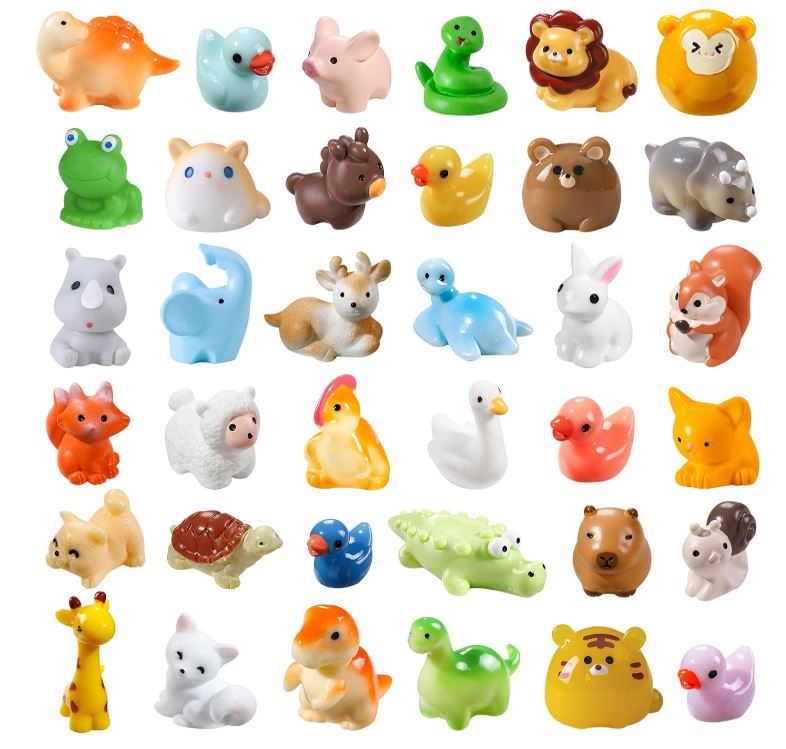
Learn more HERE
Ask your tween to look at them:
-
From too far away
-
From too close
-
From a normal distance
Then talk about what changed.
Help them see:
When we crowd our thoughts or ignore them completely, we don’t see clearly.
Calm perspective brings clarity.
This connects directly to how pressure, comparison, and overthinking distort how a tween sees themselves.
Showing What “Carrying Too Much” Looks Like in the Body
Why strain creates the illusion of weakness
Now introduce weight—something small but noticeable. These are options to use.
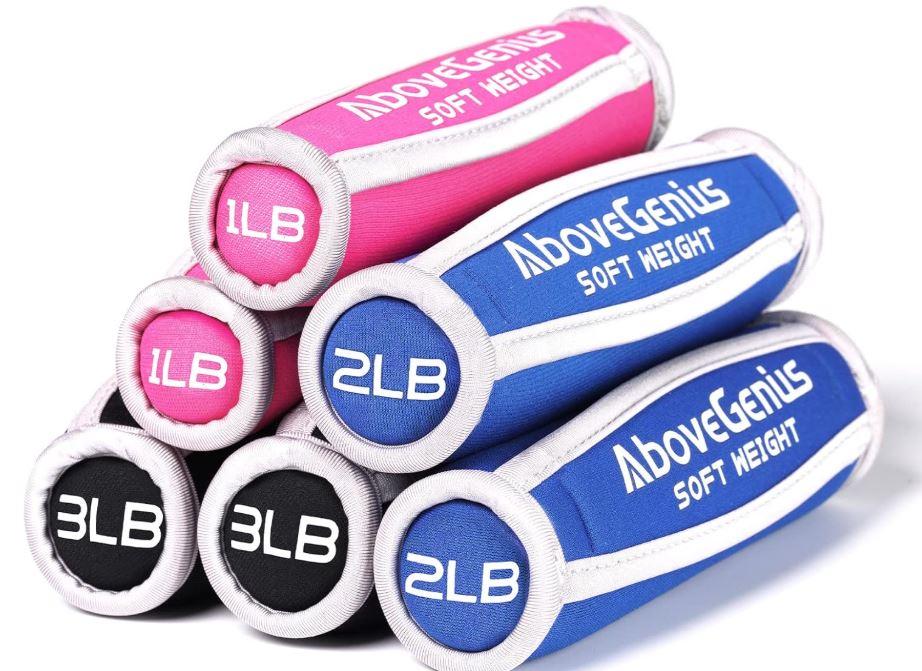
Learn more HERE
Have your tween hold it and describe what happens:
-
Muscles tighten
-
Face strains
-
Breathing changes
Then say:
“Nothing is wrong with your strength.
This feels hard because it’s heavy.”
This becomes a powerful picture:
-
Strain does not mean failure
-
Weakness does not define identity
-
Carrying too much always changes how we feel
Your child begins to understand why pressure makes them feel “not okay.”
Drawing the Difference Between Overfilled and Satisfied
Why Psalm 131 uses the picture of a calm child
Now ask your tween to draw:
“A young child who is satisfied.”
Guide them gently:
-
Calm
-
Content
-
Not striving
-
At peace
Then read Psalm 131:1–2 (KJV) together.
Point to the drawings and say:
“Do you see the difference between an overfilled heart and a quiet one?”
Explain:
-
Pride strains and spills
-
Calm rests and trusts
The psalmist isn’t proving strength.
He’s choosing humility and trust.
Teaching Your Tween That Calm Comes From Trusting Provision
Why waiting is part of a steady identity
Now read Psalm 131:3.
Ask:
-
“What is the child waiting for?”
-
“Who decides what comes next?”
Help them see:
The calm child isn’t anxious.
They trust the one who provides.
This is the heart of a stable identity:
-
Not frantic
-
Not distorted
-
Not carrying more than today requires
Why These Simple Helps Make God’s Truth Stick
How physical reminders help your tween return to steadiness
These helps don’t replace Scripture.
They reinforce it.
They give your tween:
-
A picture to return to when emotions rise
-
A way to notice overload early
-
A reminder that calm is learned, not forced
And for you as a mom, they replace guessing with confidence.
What Changes When a Tween Can Visualize a Steady Identity
The quiet fruit you’ll begin to notice at home
Over time, you may see:
-
Fewer emotional explosions
-
Faster recovery after stress
-
More confidence in who they are
-
A growing ability to pause and trust
And you’ll realize—you’re not just managing emotions.
You are teaching your child how to live settled before God.
A Final Word for the Faith Mom Who Wants Peace at Home
You don’t need more pressure.
You don’t need perfect words.
You don’t need to fix your child.
You can use God’s Word—paired with simple, visual helps—to show your tween what calm, trust, and steady identity look like.
And picture by picture,
their heart will learn to rest.
That is how a steady identity is formed.
You may also benefit from these helps when attempting to explain being "overfilled" and needing to drown out distractions to a steady identity.

Learn more HERE
-
A steady background sound helps drown out distracting noise so your tween’s mind can slow and their heart can settle.
-
When outside noise is softened, your child has more space to notice what’s happening inside instead of reacting to everything around them.
-
This gentle consistency creates the kind of calm pictured in Psalm 131—a soul that is quieted, not forced.

Learn more HERE
-
A balloon helps your tween see what overwhelm feels like—showing that pressure builds over time and doesn’t mean something is wrong with them.
-
When the balloon pops, the message is clear: they aren’t broken, they were simply overfilled.
-
This simple picture gives your child language for pressure and helps form a steadier identity without shame.
This page includes a few affiliate links that come at no extra cost to you and help support Life & Peace Ministries. Your support allows me to continue encouraging moms to grow in their knowledge of God and faithfully teach their tweens His truth.
