
How Journaling Strengthens Connection and Faith in Your Tween

A Practical Guide for Christian Moms of Middle Schoolers
Middle school is a turning point in a child’s life. Thoughts deepen, emotions intensify, and identity begins to form. During this season, many moms notice conversations becoming shorter and access to their child’s inner world becoming smaller.
At the same time, a tween’s beliefs, emotional habits, and view of God are quietly developing.
One simple practice can shape all three areas:
Journaling.
When used intentionally, journaling becomes more than writing. It becomes a place where emotions are processed, faith grows deeper, and connection between parent and child strengthens.
Why Journaling Matters During the Tween Years
Between ages 10 and 14, children begin developing deeper thinking patterns. They start asking bigger questions about friendships, identity, and faith.
Without a healthy way to process those thoughts, many tweens turn to outside influences like peers or social media. Journaling provides a private space for reflection, helping them slow their thinking and process experiences wisely.
Instead of reacting quickly, they learn to think carefully.
3 Powerful Benefits of Journaling for Tweens
1. Journaling Builds Emotional Maturity
Middle schoolers often feel more than they can explain. Writing slows their thoughts and helps them identify emotions.
A simple journal can include sections like:
-
Emotions
-
Friendships
-
Gratitude
-
Goals
-
Prayer
-
Scripture
This structure helps organize their thinking and reduces emotional overwhelm.
One helpful principle to teach your tween is simple:
Write before reacting.
When children learn to process privately before responding publicly, they begin developing emotional self-control.
2. Journaling Strengthens Parent–Child Connection
Many moms think connection requires more talking.
Often, it requires more listening.
A shared journal can create a gentle bridge for communication. Your tween writes when they are ready, and you respond thoughtfully.
For example, you might write:
“I noticed you seemed quiet today. Is there anything you'd like me to pray about?”
Writing removes pressure and allows deeper honesty. Many tweens open up more easily on paper than in conversation.
To keep trust strong, establish three simple boundaries:
-
Privacy – the journal stays between you
-
Respect – responses are kind and supportive
-
Safety – honest thoughts are welcomed
Trust grows when children know their words are honored.
3. Journaling Helps Faith Become Personal
One challenge in Christian parenting is helping children move from hearing Scripture to believing it personally.
Journaling helps bridge that gap.
Writing Bible verses slows down learning and increases retention. Recording prayers helps tweens see how God answers and guides over time.
A simple structure works well:
-
Gratitude – recognizing God's goodness
-
Prayer – talking with God
-
Scripture – writing and reflecting on Bible verses
As children look back through their journal, they begin noticing spiritual growth and answered prayers.
Faith becomes real.
A Simple Journaling Rhythm for Families
Journaling does not need to be complicated. Small rhythms practiced consistently have the greatest impact.
Here is a simple weekly pattern:
| Day | Practice |
|---|---|
| Sunday | Write one Bible verse |
| Monday | Record one gratitude |
| Wednesday | Write a prayer |
| Friday | Reflect on the week |
| Weekend | Optional shared journal exchange |
Even a few sentences at a time builds powerful habits over months and years.
Helping Your Tween Start Journaling
Beginning is simple:
-
Choose a journal – any notebook will work.
-
Explain the purpose – a place for thoughts, questions, prayers, and gratitude.
-
Write one entry together – start small and stay consistent.
You might begin with prompts like:
-
What made you smile today?
-
What challenged you this week?
-
What is one prayer you have?
-
What Bible verse encouraged you?
Small beginnings often lead to lasting habits.
The Long-Term Impact of Journaling
Over time, journaling shapes important spiritual and emotional qualities in your child:
-
Thoughtful reflection
-
Emotional maturity
-
Confidence in prayer
-
Gratitude toward God
-
Personal faith ownership
Instead of simply inheriting their parents’ faith, tweens begin developing their own relationship with God.
Final Thoughts
Raising a tween can feel complex. Emotions shift, independence grows, and conversations change.
Yet the most powerful influences in a child’s life are often the simplest ones practiced consistently.
Journaling creates space for reflection, deeper conversations, and personal faith growth.
Scattered thoughts become clear thinking.
Emotional reactions become thoughtful responses.
Surface conversations become meaningful connection.
Start with one journal.
Write one entry together.
Stay steady.
Over time, those small moments shape a faith that lasts.
Recommended Journals for Tweens (Simple and Affordable Options)
When introducing journaling to your tween, the goal is not to find a perfect system.
The goal is simply to get started with a notebook that feels inviting and easy to use.
A journal becomes powerful through consistency, not complexity.
Here are a few simple journal styles that work beautifully for tweens.
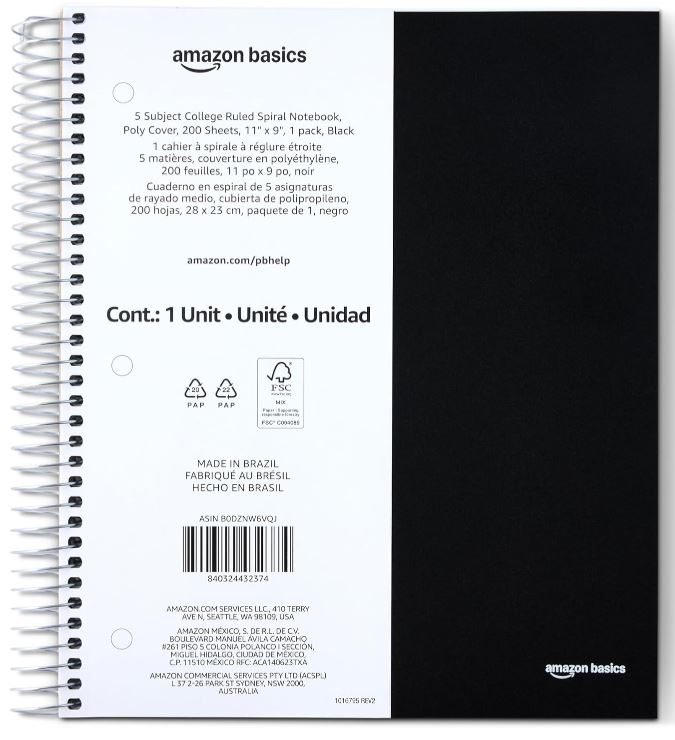
Classic Spiral Notebook (Great for Beginners)
📖 Learn More HERE
Sometimes the best place to begin is the simplest.
A basic spiral notebook is perfect for starting a journaling rhythm because it feels familiar and low pressure. Many tweens already use notebooks at school, which makes this transition natural.
You can divide sections for things like:
• Emotions
• Gratitude
• Prayer
• Scripture
• Goals
This type of notebook works especially well for families just beginning the journaling habit.
👉 View this spiral notebook on Amazon
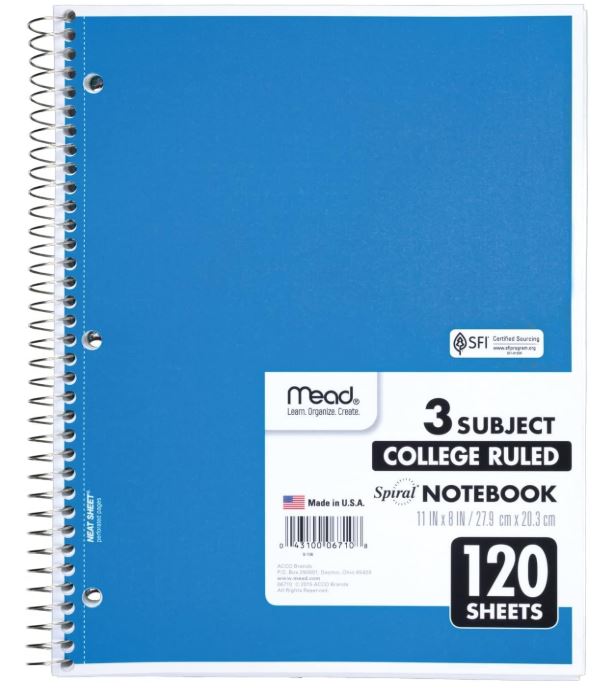
Multi-Subject Notebook (Perfect for Organized Journaling)
📖 Learn More HERE
If your tween enjoys a little more organization, a multi-subject notebook works wonderfully.
These journals already include dividers, which makes it easy to separate sections such as:
• Prayer
• Scripture
• Gratitude
This structure helps tweens feel less overwhelmed because their thoughts have clear categories.
👉 See this multi-subject notebook here
Hardcover Journal (Great for Prayer and Reflection)

📖 Learn More HERE
Some tweens prefer a journal that feels a little more personal.
A hardcover journal with a ribbon bookmark can make journaling feel special and meaningful.
These are excellent for:
• Prayer journaling
• Scripture writing
• Gratitude lists
• Personal reflections
The bookmark and elastic band also help keep pages organized and protected.
👉 Browse this hardcover journal option
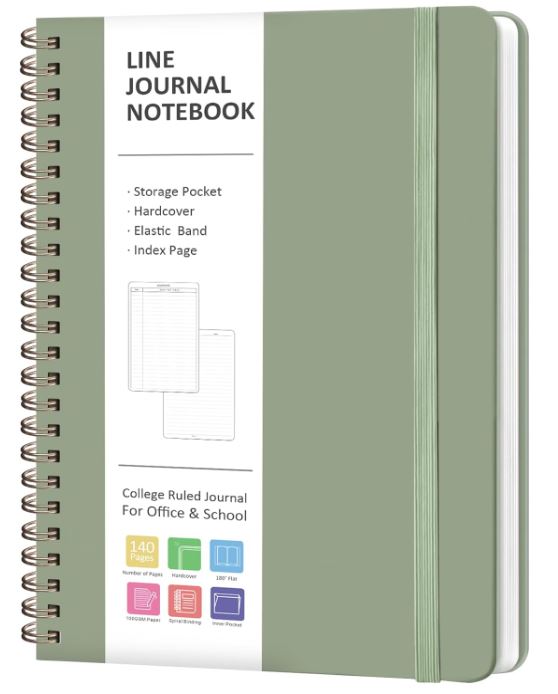
Structured Line Journal (Helpful for Consistent Writing) --- MY TOP CHOICE
📖 Learn More HERE
A structured line journal can help tweens stay consistent with writing.
Many of these journals include helpful features like:
• Storage pockets
• Elastic bands
• Index pages
These details make it easier for kids to keep track of their entries and maintain the habit over time.
👉 See this lined journal on Amazon
Faith-Inspired Journal (Encouraging Scripture Reflection)

📖 Learn More HERE
Some families love using a faith-inspired journal that includes Scripture on the cover.
A journal like this gently reminds your tween that their thoughts, prayers, and questions are part of their walk with God.
It can become a special place for:
• Writing Bible verses
• Recording answered prayers
• Reflecting on what God is teaching them
👉 View this Scripture journal
A Simple Tip Before You Buy
Your tween does not need the perfect journal.
They simply need a place where their thoughts can live.
Choose something simple, sit down together, and write the first entry.
That small moment can begin a rhythm that strengthens both connection and faith in your home.
This page includes a few affiliate links that come at no extra cost to you and help support Life & Peace Ministries. Your support allows me to continue encouraging moms to grow in their knowledge of God and faithfully teach their tweens His truth.
