
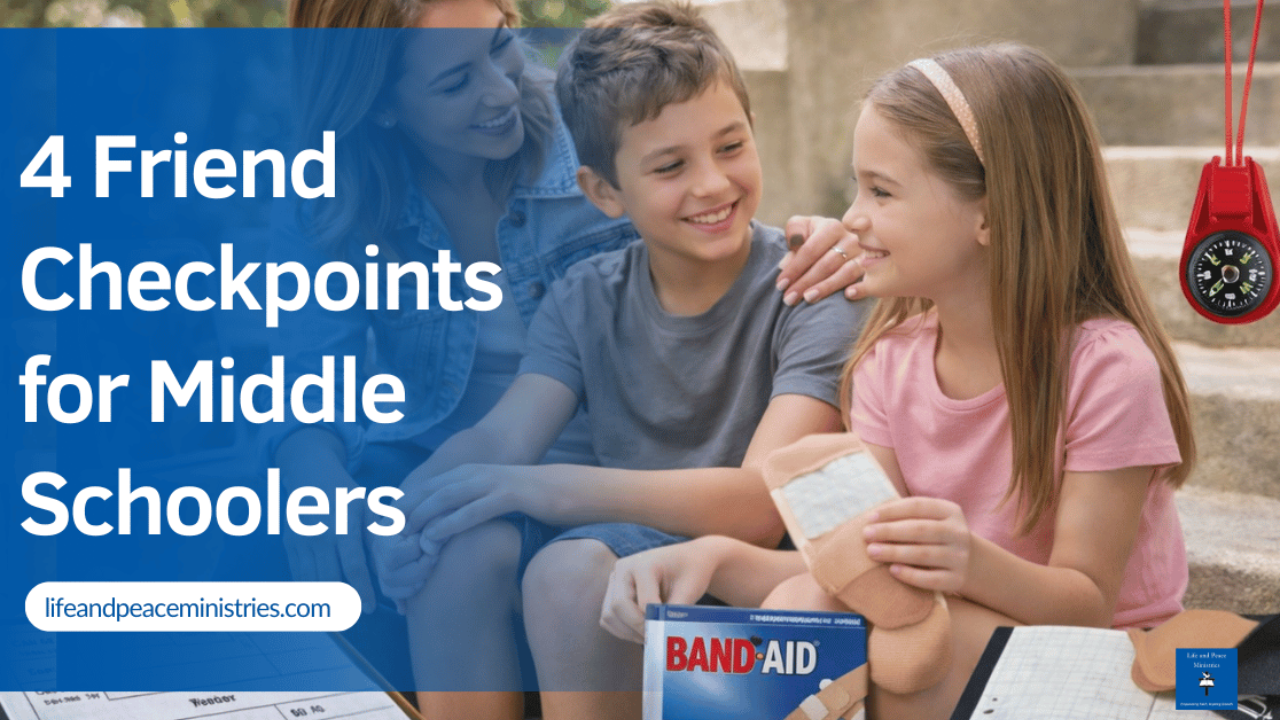
4 Friend Checkpoints for Middle Schoolers
Tangible Tools to Help Your Child Be a Good Friend — and Choose One
Middle school friendships are loud.
Loud with laughter.
Loud with insecurity.
Loud with comparison.
Loud with drama.
And somewhere in the noise, your child is trying to figure out:
Who am I?
And who should I walk with?
If your middle schooler is a new creation in Christ, their friendships should begin reflecting that identity.
Not perfectly.
But directionally.
And sometimes the best way to teach discernment is not just through words — but through objects they can see and hold.
Let me give you four friend checkpoints — and tangible ways to help your tween visualize what you’re teaching.
1. The Mirror Checkpoint
Do my friendships reflect who I am in Christ — or distort it?
Give your middle schooler a simple handheld mirror.

✨ Learn More HERE
Not as vanity.
As a teaching tool.
Tell them:
“A good friend should reflect who God says you are — not who the world pressures you to be.”
When they look in the mirror, remind them:
-
You are God’s workmanship.
-
You are chosen.
-
You are becoming — not pretending.
Ask:
Do your friends reflect that back to you?
Or do they make you feel smaller, insecure, or fake?
Because identity needs reinforcement. And sometimes a mirror says more than a lecture.
2. The Scorecard Checkpoint (Especially for Boys)
Do my friendships build character — or reward poor sportsmanship?
Many boys understand competition instinctively.

✨ Learn More HERE
So use that language.
Ask:
"If friendship had a scoreboard, what would it track?"
Not popularity.
Not social rank.
Character.
-
Are they a sore loser?
-
Do they celebrate others’ wins?
-
Do they take responsibility when wrong?
-
Do they keep their word?
Give your son (or daughter) a small notepad and call it a “Character Scorecard.”
Not to judge others harshly — but to notice patterns.
Because whoever walks with the wise becomes wise.
And middle schoolers understand practice, reps, and growth.
Friendship forms character like repetition forms skill.
3. The Bandage Checkpoint
Do my friends help bandage my wounds — or keep reopening them?
This one is powerful.
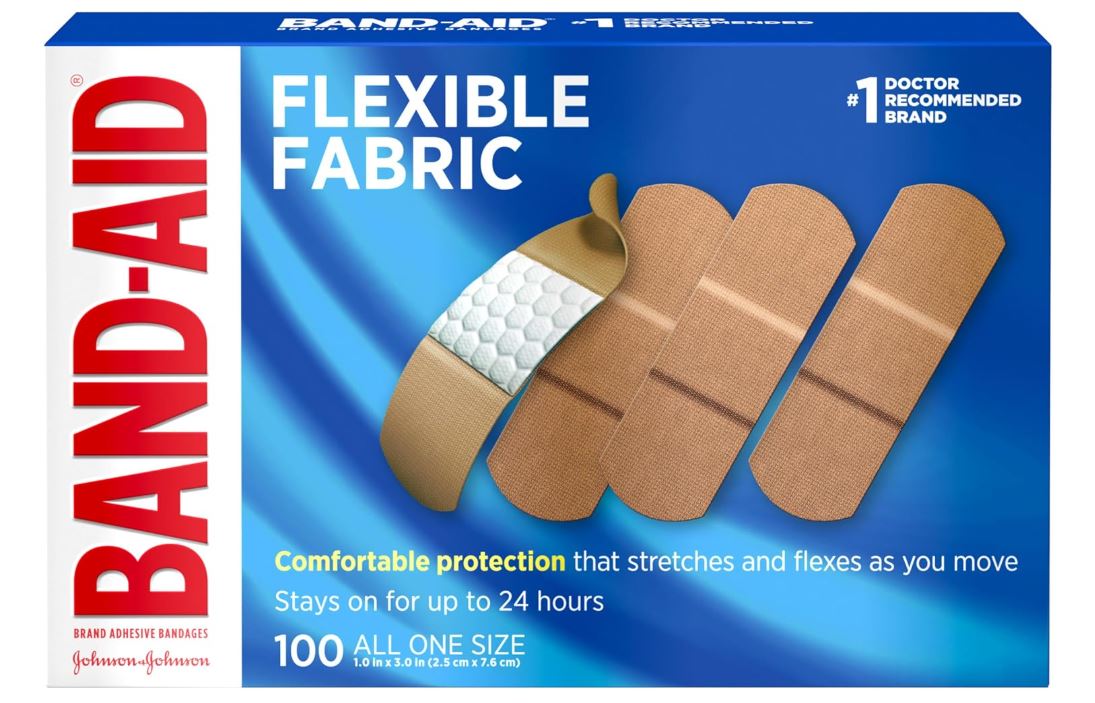
Hold up a simple adhesive bandage.
✨ Learn More HERE
Tell your child:
“Good friends don’t ignore wounds. They help heal them.”
Ask:
-
When you’re hurt, do they listen?
-
When you fail, do they mock you?
-
When you’re embarrassed, do they protect you?
A new creation identity produces compassion.
A healthy friendship contains grace.
Explain gently:
Sometimes people hurt us without meaning to.
But if someone repeatedly wounds without remorse — that is not wisdom.
You are teaching discernment, not distrust.
There is a difference.
4. The Compass Checkpoint
Is this friendship guiding me toward Christ — or pulling me off course?
Middle school feels like wilderness.
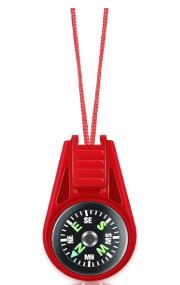
A compass is simple — but powerful.
✨ Learn More HERE
Hold one in your hand and explain:
“This doesn’t change direction based on feelings. It stays steady.”
Ask your tween:
-
After spending time together, do you feel closer to God?
-
Do they encourage you to do what’s right?
-
Or do you feel pressured to compromise?
Friendships are directional.
They will shape who your child becomes.
Identity determines direction — and companions influence that direction.
Using These Tools
Faith Mom, you are not raising a socially impressive child. You are raising a spiritually grounded one. Objects help middle schoolers think. Concrete visuals slow down emotional reactions. They create memory anchors. You are not manipulating friendships. You are mentoring discernment.
And if you are feeling unsure how to lead these conversations, look for resources that strengthen your own walk first.
Because when you know God deeply, you teach from steadiness — not fear.
A Final Reminder
New creation identity does not eliminate middle school struggle.
It transforms direction.
Teach your child to look in the mirror.
Check the scorecard.
Notice the bandages.
Follow the compass.
And remind them:
You are becoming — not pretending.
Who you walk with matters.
Still Worried About Your Child’s Friends?
If you feel uneasy about certain friendships and don’t know how to guide without controlling, I want to invite you to watch my YouTube message:
Worried About Your Child’s Friends? God’s Word Brings Peace.
In it, I share what Scripture says about influence, how to respond with wisdom instead of fear, and how to parent from peace instead of panic.
You don’t have to carry this alone.
Let God’s Word steady your heart — and guide you as you mentor your middle schooler.
This page includes a few affiliate links that come at no extra cost to you and help support Life & Peace Ministries. Your support allows me to continue encouraging moms to grow in their knowledge of God and faithfully teach their tweens His truth.
